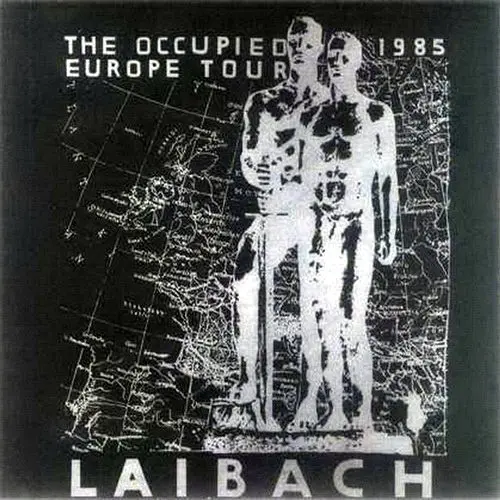
Perspektive Lyrics
| Song | Perspektive |
| Artist | Laibach |
| Album | Occupied Europe Tour 1985 |
| Download | Image LRC TXT |
| 作词 : Laibach | |
| Laibach | |
| Rekapitulacija 1980-84 | |
| Perspektive | |
| (Perspektiven / Perspectives) | |
| [Spoken in English:] | |
| Laibach takes over an organisational system of work, after the model of | |
| industrial production and totalitarism, collective spirit, identification | |
| with ideology, which means: not the individual, but the organisation | |
| speaks. Our work is industrial, our language political. Laibach is a | |
| recognition of time universality. Its organisational activity is an | |
| intense agitation and a constant systematic propagating, ideological | |
| offensive. Any social activity affects the mass. Laibach functions as a | |
| creative allusion of strict institutionality, identification with | |
| institution, as stock theatre, or popular culture with a centralized | |
| programme. One transmitter and a multitude of receivers, and with a | |
| communication through uncommunication. Laibach's musical approach is a | |
| move to the area of pure politization of sounds as a means of manipulating | |
| the masses. When, in politically and economically complicated situations, | |
| the antagonism in society is becoming strained, only force remains as the | |
| ultima ratio of social integration. The force must adopt the form of | |
| systematic, physical and psychic terror, organized in accordance with | |
| social relations. Terror is obtaining a function of productional power, | |
| which extorts discipline and an adaptation of the mass, to the existing | |
| productional relations, and the existing productional apparatus. For the | |
| totalitarian form of government, the systematic terror becomes a | |
| constitutional instrument of authority. Through the mystic, | |
| erotic-mythological sound, constitution of an ambivalence between fear and | |
| fascination, which rudimentarily affects the consciousness of people, | |
| through stage performances of ritualized demonstration of political power, | |
| and through other manipulative means of an individual, Laibach practises a | |
| sound force, in a form of systematic, psycho-physical terror as social | |
| organisational principle, in order to effectively discipline and raise a | |
| feeling of total adherence bond of a certain, revolted and alienated | |
| audience, which results in a state of collective [athasia?], which is the | |
| principle of social organisation. In this sense, the function of Laibach, | |
| sound constructions, and of rock concerts is to challenge collective | |
| emotions and automatic associations, and as such it serves as the means of | |
| working stimulation. By darkening the consumer's mind, it drives him into | |
| a state of humble contrition and total obedience, self-sacrifice, by | |
| destroying every trait of individuality, it melts the individuals into a | |
| mass, and mass into a humble, collective body. The dualism of Laibach's | |
| message, perception and receiver's structure uncovers the social neurosis. | |
| Laibach unites the biters and antagonistics into an expression of static, | |
| totalitarism cry. Our basic inspiration, ideals which are not ideals to | |
| their form, but the material of Laibach, manipulation of self, remains an | |
| industrial production: art of the Third Reich, totalitarism, taylorism, | |
| bruitism, disco. Disco rhythm, as a regular repetition, is the purest, the | |
| most radical form of the militantly organised rhythmicity of technicist | |
| production, and as such the most appropriate means of media manipulation. | |
| As an archetypal structural basis of the collective unconscious in a | |
| worker mass, it stimulates automatic mechanism, and shapes | |
| industrialisation of consciousness, which is necessary in the logic of | |
| massive, totalitarian, industrial production. | |
| [I had to write this one down by ear... Took me hours.] |
| zuo ci : Laibach | |
| Laibach | |
| Rekapitulacija 1980-84 | |
| Perspektive | |
| Perspektiven Perspectives | |
| Spoken in English: | |
| Laibach takes over an organisational system of work, after the model of | |
| industrial production and totalitarism, collective spirit, identification | |
| with ideology, which means: not the individual, but the organisation | |
| speaks. Our work is industrial, our language political. Laibach is a | |
| recognition of time universality. Its organisational activity is an | |
| intense agitation and a constant systematic propagating, ideological | |
| offensive. Any social activity affects the mass. Laibach functions as a | |
| creative allusion of strict institutionality, identification with | |
| institution, as stock theatre, or popular culture with a centralized | |
| programme. One transmitter and a multitude of receivers, and with a | |
| communication through uncommunication. Laibach' s musical approach is a | |
| move to the area of pure politization of sounds as a means of manipulating | |
| the masses. When, in politically and economically complicated situations, | |
| the antagonism in society is becoming strained, only force remains as the | |
| ultima ratio of social integration. The force must adopt the form of | |
| systematic, physical and psychic terror, organized in accordance with | |
| social relations. Terror is obtaining a function of productional power, | |
| which extorts discipline and an adaptation of the mass, to the existing | |
| productional relations, and the existing productional apparatus. For the | |
| totalitarian form of government, the systematic terror becomes a | |
| constitutional instrument of authority. Through the mystic, | |
| erotic-mythological sound, constitution of an ambivalence between fear and | |
| fascination, which rudimentarily affects the consciousness of people, | |
| through stage performances of ritualized demonstration of political power, | |
| and through other manipulative means of an individual, Laibach practises a | |
| sound force, in a form of systematic, psycho-physical terror as social | |
| organisational principle, in order to effectively discipline and raise a | |
| feeling of total adherence bond of a certain, revolted and alienated | |
| audience, which results in a state of collective athasia? , which is the | |
| principle of social organisation. In this sense, the function of Laibach, | |
| sound constructions, and of rock concerts is to challenge collective | |
| emotions and automatic associations, and as such it serves as the means of | |
| working stimulation. By darkening the consumer' s mind, it drives him into | |
| a state of humble contrition and total obedience, self-sacrifice, by | |
| destroying every trait of individuality, it melts the individuals into a | |
| mass, and mass into a humble, collective body. The dualism of Laibach' s | |
| message, perception and receiver' s structure uncovers the social neurosis. | |
| Laibach unites the biters and antagonistics into an expression of static, | |
| totalitarism cry. Our basic inspiration, ideals which are not ideals to | |
| their form, but the material of Laibach, manipulation of self, remains an | |
| industrial production: art of the Third Reich, totalitarism, taylorism, | |
| bruitism, disco. Disco rhythm, as a regular repetition, is the purest, the | |
| most radical form of the militantly organised rhythmicity of technicist | |
| production, and as such the most appropriate means of media manipulation. | |
| As an archetypal structural basis of the collective unconscious in a | |
| worker mass, it stimulates automatic mechanism, and shapes | |
| industrialisation of consciousness, which is necessary in the logic of | |
| massive, totalitarian, industrial production. | |
| I had to write this one down by ear. . . Took me hours. |
| zuò cí : Laibach | |
| Laibach | |
| Rekapitulacija 1980-84 | |
| Perspektive | |
| Perspektiven Perspectives | |
| Spoken in English: | |
| Laibach takes over an organisational system of work, after the model of | |
| industrial production and totalitarism, collective spirit, identification | |
| with ideology, which means: not the individual, but the organisation | |
| speaks. Our work is industrial, our language political. Laibach is a | |
| recognition of time universality. Its organisational activity is an | |
| intense agitation and a constant systematic propagating, ideological | |
| offensive. Any social activity affects the mass. Laibach functions as a | |
| creative allusion of strict institutionality, identification with | |
| institution, as stock theatre, or popular culture with a centralized | |
| programme. One transmitter and a multitude of receivers, and with a | |
| communication through uncommunication. Laibach' s musical approach is a | |
| move to the area of pure politization of sounds as a means of manipulating | |
| the masses. When, in politically and economically complicated situations, | |
| the antagonism in society is becoming strained, only force remains as the | |
| ultima ratio of social integration. The force must adopt the form of | |
| systematic, physical and psychic terror, organized in accordance with | |
| social relations. Terror is obtaining a function of productional power, | |
| which extorts discipline and an adaptation of the mass, to the existing | |
| productional relations, and the existing productional apparatus. For the | |
| totalitarian form of government, the systematic terror becomes a | |
| constitutional instrument of authority. Through the mystic, | |
| erotic-mythological sound, constitution of an ambivalence between fear and | |
| fascination, which rudimentarily affects the consciousness of people, | |
| through stage performances of ritualized demonstration of political power, | |
| and through other manipulative means of an individual, Laibach practises a | |
| sound force, in a form of systematic, psycho-physical terror as social | |
| organisational principle, in order to effectively discipline and raise a | |
| feeling of total adherence bond of a certain, revolted and alienated | |
| audience, which results in a state of collective athasia? , which is the | |
| principle of social organisation. In this sense, the function of Laibach, | |
| sound constructions, and of rock concerts is to challenge collective | |
| emotions and automatic associations, and as such it serves as the means of | |
| working stimulation. By darkening the consumer' s mind, it drives him into | |
| a state of humble contrition and total obedience, self-sacrifice, by | |
| destroying every trait of individuality, it melts the individuals into a | |
| mass, and mass into a humble, collective body. The dualism of Laibach' s | |
| message, perception and receiver' s structure uncovers the social neurosis. | |
| Laibach unites the biters and antagonistics into an expression of static, | |
| totalitarism cry. Our basic inspiration, ideals which are not ideals to | |
| their form, but the material of Laibach, manipulation of self, remains an | |
| industrial production: art of the Third Reich, totalitarism, taylorism, | |
| bruitism, disco. Disco rhythm, as a regular repetition, is the purest, the | |
| most radical form of the militantly organised rhythmicity of technicist | |
| production, and as such the most appropriate means of media manipulation. | |
| As an archetypal structural basis of the collective unconscious in a | |
| worker mass, it stimulates automatic mechanism, and shapes | |
| industrialisation of consciousness, which is necessary in the logic of | |
| massive, totalitarian, industrial production. | |
| I had to write this one down by ear. . . Took me hours. |
YouTube Results (More on YouTube)