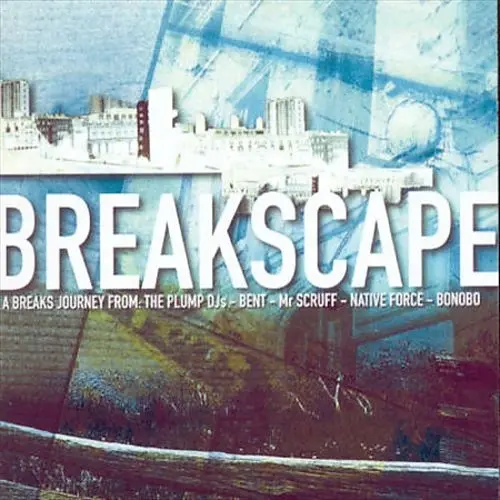
Infinite Regression Lyrics
| Song | Infinite Regression |
| Artist | Quantic |
| Album | Breakscape |
| Download | Image LRC TXT |
| [00:00.00] | 作曲 : W. Holland |
| [00:11.46] | Here is the painting of a landscape. |
| [00:14.43] | But the artist who painted that picture says, |
| [00:17.19] | - Something is missing. What is it? |
| [00:18.78] | It is I myself who was a part of the landscape I painted. |
| [00:22.77] | So he mentally takes a step backward |
| [00:25.17] | - or 'regresses' -- and paints... |
| [00:27.36] | ...a picture of the artist painting |
| [00:28.59] | a picture of the landscape. |
| [00:30.09] | And still something is missing. And that |
| [00:31.71] | something is still his real self |
| [00:33.39] | painting the second picture. So he |
| [00:36.06] | 'regresses' further and paints a third... |
| [00:38.58] | ...a picture of the artist painting a |
| [00:40.29] | picture of the artist painting a |
| [00:41.85] | picture of the landscape. And because |
| [00:44.64] | something is still missing, he paints a |
| [00:46.95] | fourth and fifth picture... |
| [00:49.08] | ...until there is a picture of |
| [00:50.10] | the artist painting a picture of the |
| [00:51.39] | artist painting a picture of the |
| [00:53.88] | artist painting a picture of the |
| [00:55.08] | artist painting the landscape. |
| [00:57.30] | So infinite regression is-- |
| [00:59.67] | --It is the moment when our artist, |
| [01:01.05] | having regressed to the point of |
| [01:02.31] | infinity, himself becomes a part |
| [01:04.74] | of the picture he has painted and |
| [01:06.12] | is both the Observer and the observed. |
| [01:09.03] | Well, in that peculiar condition, |
| [01:10.71] | what would he be observing if he were observing |
| [01:13.11] | Time? |
| [01:14.22] | He would perceive, Mr. Bonds, that Time is like |
| [01:16.92] | a freeway with an infinite number of |
| [01:18.54] | 'lanes' |
| [01:18.78] | -- all leading from the past |
| [02:08.07] | into the future. But not into the |
| [02:09.90] | same future. A driver in Lane 'A' |
| [02:11.76] | may crash, while a driver in Lane 'B' |
| [02:13.38] | survives. It follows that a driver, |
| [02:15.57] | by changing lanes, can change his |
| [02:17.01] | future. |
| [03:06.84] | Mr. Bonds, i think that time can |
| [03:08.76] | fully be understood by an observer |
| [03:10.35] | with the Godlike gift of infinite |
| [03:11.94] | regression |
| [03:17.43] | Do you believe that? |
| [03:18.33] | Absolutely! I think it is the only explanation. |
| [00:00.00] | zuo qu : W. Holland |
| [00:11.46] | Here is the painting of a landscape. |
| [00:14.43] | But the artist who painted that picture says, |
| [00:17.19] | - Something is missing. What is it? |
| [00:18.78] | It is I myself who was a part of the landscape I painted. |
| [00:22.77] | So he mentally takes a step backward |
| [00:25.17] | - or ' regresses' -- and paints. . . |
| [00:27.36] | . . . a picture of the artist painting |
| [00:28.59] | a picture of the landscape. |
| [00:30.09] | And still something is missing. And that |
| [00:31.71] | something is still his real self |
| [00:33.39] | painting the second picture. So he |
| [00:36.06] | ' regresses' further and paints a third. . . |
| [00:38.58] | . . . a picture of the artist painting a |
| [00:40.29] | picture of the artist painting a |
| [00:41.85] | picture of the landscape. And because |
| [00:44.64] | something is still missing, he paints a |
| [00:46.95] | fourth and fifth picture. . . |
| [00:49.08] | . . . until there is a picture of |
| [00:50.10] | the artist painting a picture of the |
| [00:51.39] | artist painting a picture of the |
| [00:53.88] | artist painting a picture of the |
| [00:55.08] | artist painting the landscape. |
| [00:57.30] | So infinite regression is-- |
| [00:59.67] | --It is the moment when our artist, |
| [01:01.05] | having regressed to the point of |
| [01:02.31] | infinity, himself becomes a part |
| [01:04.74] | of the picture he has painted and |
| [01:06.12] | is both the Observer and the observed. |
| [01:09.03] | Well, in that peculiar condition, |
| [01:10.71] | what would he be observing if he were observing |
| [01:13.11] | Time? |
| [01:14.22] | He would perceive, Mr. Bonds, that Time is like |
| [01:16.92] | a freeway with an infinite number of |
| [01:18.54] | ' lanes' |
| [01:18.78] | -- all leading from the past |
| [02:08.07] | into the future. But not into the |
| [02:09.90] | same future. A driver in Lane ' A' |
| [02:11.76] | may crash, while a driver in Lane ' B' |
| [02:13.38] | survives. It follows that a driver, |
| [02:15.57] | by changing lanes, can change his |
| [02:17.01] | future. |
| [03:06.84] | Mr. Bonds, i think that time can |
| [03:08.76] | fully be understood by an observer |
| [03:10.35] | with the Godlike gift of infinite |
| [03:11.94] | regression |
| [03:17.43] | Do you believe that? |
| [03:18.33] | Absolutely! I think it is the only explanation. |
| [00:00.00] | zuò qǔ : W. Holland |
| [00:11.46] | Here is the painting of a landscape. |
| [00:14.43] | But the artist who painted that picture says, |
| [00:17.19] | - Something is missing. What is it? |
| [00:18.78] | It is I myself who was a part of the landscape I painted. |
| [00:22.77] | So he mentally takes a step backward |
| [00:25.17] | - or ' regresses' -- and paints. . . |
| [00:27.36] | . . . a picture of the artist painting |
| [00:28.59] | a picture of the landscape. |
| [00:30.09] | And still something is missing. And that |
| [00:31.71] | something is still his real self |
| [00:33.39] | painting the second picture. So he |
| [00:36.06] | ' regresses' further and paints a third. . . |
| [00:38.58] | . . . a picture of the artist painting a |
| [00:40.29] | picture of the artist painting a |
| [00:41.85] | picture of the landscape. And because |
| [00:44.64] | something is still missing, he paints a |
| [00:46.95] | fourth and fifth picture. . . |
| [00:49.08] | . . . until there is a picture of |
| [00:50.10] | the artist painting a picture of the |
| [00:51.39] | artist painting a picture of the |
| [00:53.88] | artist painting a picture of the |
| [00:55.08] | artist painting the landscape. |
| [00:57.30] | So infinite regression is-- |
| [00:59.67] | --It is the moment when our artist, |
| [01:01.05] | having regressed to the point of |
| [01:02.31] | infinity, himself becomes a part |
| [01:04.74] | of the picture he has painted and |
| [01:06.12] | is both the Observer and the observed. |
| [01:09.03] | Well, in that peculiar condition, |
| [01:10.71] | what would he be observing if he were observing |
| [01:13.11] | Time? |
| [01:14.22] | He would perceive, Mr. Bonds, that Time is like |
| [01:16.92] | a freeway with an infinite number of |
| [01:18.54] | ' lanes' |
| [01:18.78] | -- all leading from the past |
| [02:08.07] | into the future. But not into the |
| [02:09.90] | same future. A driver in Lane ' A' |
| [02:11.76] | may crash, while a driver in Lane ' B' |
| [02:13.38] | survives. It follows that a driver, |
| [02:15.57] | by changing lanes, can change his |
| [02:17.01] | future. |
| [03:06.84] | Mr. Bonds, i think that time can |
| [03:08.76] | fully be understood by an observer |
| [03:10.35] | with the Godlike gift of infinite |
| [03:11.94] | regression |
| [03:17.43] | Do you believe that? |
| [03:18.33] | Absolutely! I think it is the only explanation. |
YouTube Results (More on YouTube)